Pilot homeowners don't need another sales pitch about their roof — they need someone who shows up, explains what's actually wrong, and fixes it right the first time.

Before Roof Repair Smedway was a name on a truck, our foremen were already up on ladders across Pilot, VA, figuring out which shingle brands actually hold their seal through a rough season and which ones just look good in a showroom.
We don't treat licensing as a formality — it's proof that the person on your roof knows what they're doing and that you're covered if anything goes sideways.
We've replaced enough botched patch jobs from other companies to know exactly what corner-cutting looks like a year later — drywall stains, soft decking, mold nobody can see yet.

Proof of licensing before the first ladder goes up.
A midnight call gets the same urgency as a noon call.
Every price is itemized, not eyeballed over the phone.
We already know Pilot's weather patterns and permit process.
Most emergency calls we get trace back to a smaller sign that went unnoticed for weeks or months.
The earlier one of these signs gets a proper look, the smaller the repair usually stays; waiting rarely makes a roof problem cheaper to fix.
If the water coming off your downspouts looks gritty, the shingle surface is thinner than it should be.
Once a shingle starts warping, its seal against wind-driven rain is already compromised.
Daylight visible through the attic roof boards means water has the same path in.
Sagging or soft drywall usually points to sustained moisture, not a single isolated drip.
A slow leak or failing ventilation can quietly drive up cooling costs before you notice the leak itself.
Exposed underlayment is only a temporary barrier — it's not built to handle sustained exposure.
We split our work into specific service lanes because a wind-lifted shingle and a full system replacement need completely different crews and timelines.
These categories aren't marketing labels; they reflect how our crews are actually organized and dispatched across Pilot, VA.
Downed branches, torn flashing, and wind-lifted shingles all fall under our emergency response scope.
Every homeowner gets walked through material options before a decision is made, not after.
Commercial roofs run different membrane systems entirely, and our crews are trained specifically on TPO, EPDM, and modified bitumen.
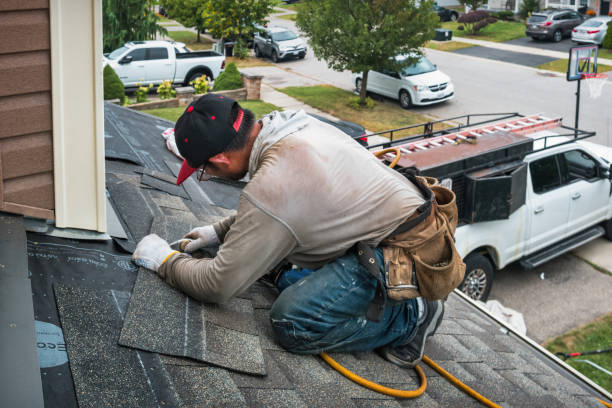
A full tear-off strips the roof to the decking, replaces any damaged boards, and rebuilds with new underlayment and shingles to current code.
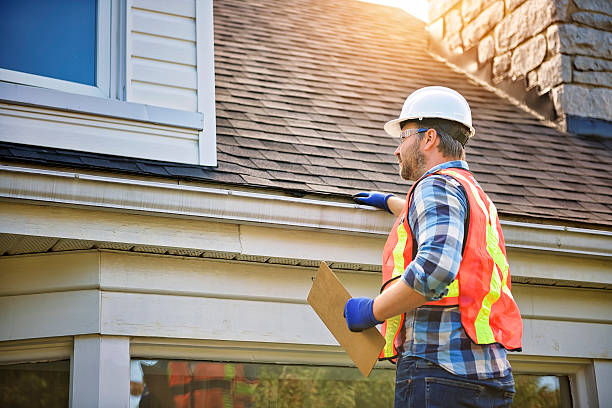
Post-storm inspections give homeowners documented evidence, useful whether or not a claim gets filed.
Chimney crickets, skylight seals, and valley flashing are common leak points that general repair crews often miss.

Four steps, no surprises in between — here's exactly what happens after you pick up the phone.
Call +1-844-212-9199, describe the issue, and dispatch routes it to the nearest available Pilot crew.
You get a plain-language explanation, not just a number.
Financing and insurance-claim questions are addressed at this stage.
A final walkthrough confirms everything matches the agreed scope.
If you've been burned by a roofing company before, these are the specific things we do differently, not just a promise that we're "better."
We give you an honest arrival window instead of a vague "sometime this week."
Every estimate is itemized so you know exactly what you're paying for.
Our installers follow manufacturer spec on every underlayment overlap and fastener pattern, not general guesswork.
If the finished work doesn't match what was agreed, we come back and fix it at no charge.
Storm-damage jobs come with documentation formatted for how most Pilot, VA adjusters review claims.
Our technicians explain their reasoning so you're deciding with full information.

Every job closes with a written workmanship guarantee, separate from whatever the material manufacturer already covers — if something's wrong, we come back and fix it.
We also guarantee the number on your estimate — barring a scope change you approve first, that's the number on your invoice.
None of this is a marketing line — it's how every Pilot job actually gets closed out, warranty paperwork included.
If your address sits just past our standard Pilot radius, dispatch can usually still work something out.
Routes are planned around Pilot's actual streets and access points, not a generic radius drawn on a map, which is part of why our arrival windows tend to hold up.
Coverage decisions are based on actual drive time from the nearest staged crew, not a fixed distance line on a map.

"We'd had a mystery leak for months. Their tech found a cracked vent boot in under twenty minutes."
— Pilot Homeowner
"Got quotes from three companies. Theirs was the only one that actually explained the pricing instead of just stating a number."
— Pilot Homeowner
"They talked us out of a full replacement we didn't actually need. Repaired the flashing instead."
— Pilot Homeowner
"New ridge vent noticeably dropped our attic temperature. Wasn't expecting that big a difference."
— Pilot Homeowner
"Storm chasers kept knocking on doors after the last big wind event. We called Roof Repair Smedway instead since they're actually local."
— Pilot Homeowner
"Appreciated that they explained why a repair made more sense than a replacement for our roof's age."
— Pilot Homeowner
Get a straight answer before any work starts.
Speak To A Roofer Now